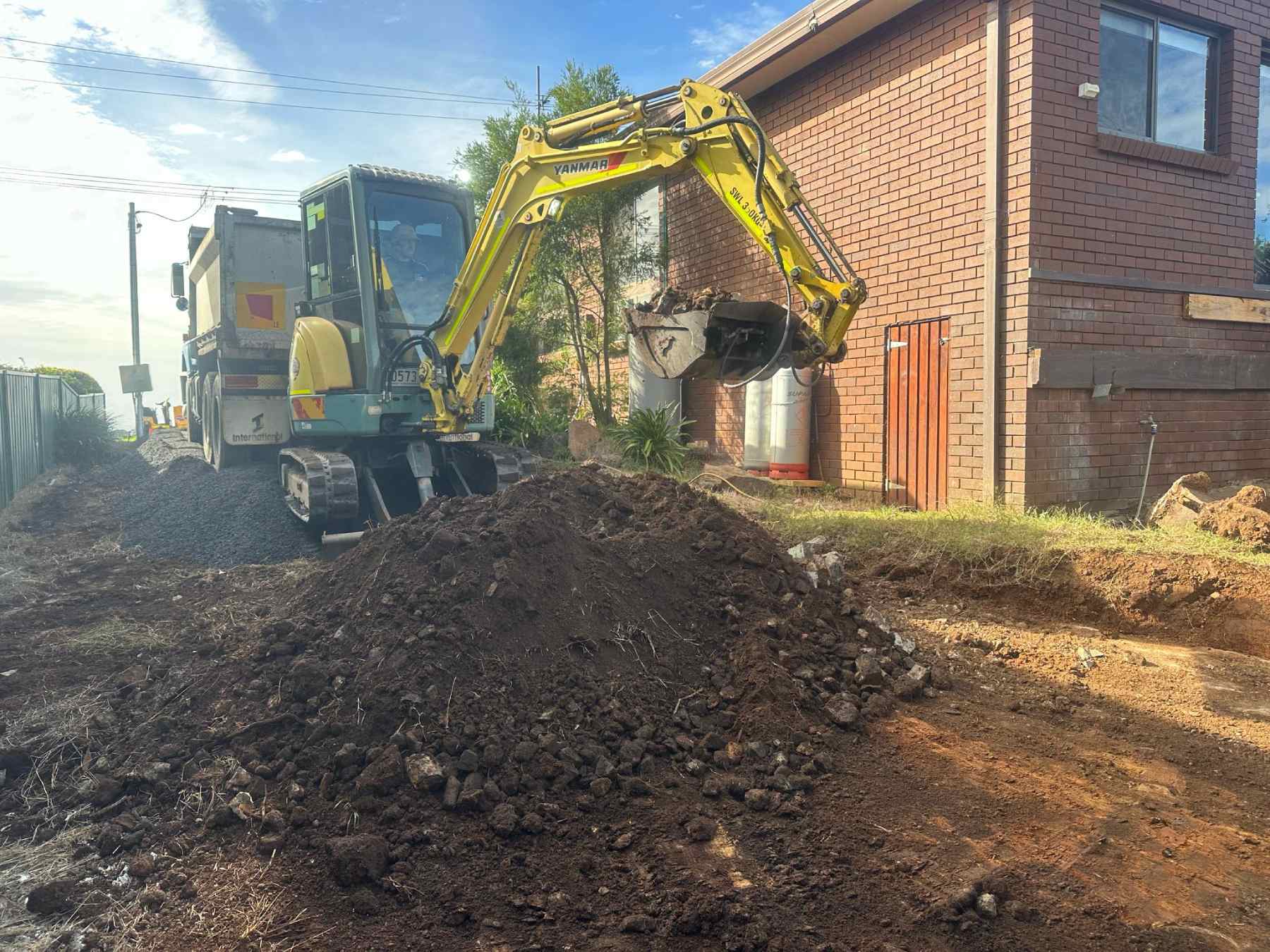
Excavation
Excavation is a crucial aspect of construction, involving the process of digging, moving, or removing earth to prepare a site for development. This work forms the foundation for many types of projects, including residential homes, commercial buildings, and infrastructure. Excavation creates the space required for foundations, utilities, and other essential elements, and is often the first step before construction can proceed.
The process begins with a thorough site analysis to determine the scope of excavation needed. Factors such as the type of soil, the level of compaction, and any potential obstacles like underground utilities must be taken into account. Depending on the project's requirements, excavation can range from simple trenching for utilities to large-scale earthmoving for building foundations.
Excavation requires specialized equipment such as bulldozers, backhoes, excavators, and skid steer loaders. These machines are designed to handle various types of terrain and materials, from soft soil to rocky ground. Each piece of equipment serves a specific purpose, ensuring that the excavation process is carried out efficiently and safely, without damaging surrounding areas.
Site preparation is another vital component of excavation. Before the digging begins, the site must be cleared of debris, trees, or any structures that could impede progress. Surveyors then mark the excavation boundaries, ensuring the excavation follows the correct path and reaches the desired depth. This stage also involves ensuring proper drainage to avoid flooding during or after excavation.
One of the main purposes of excavation is to dig foundations. A strong foundation is the key to any structure's stability, and the process involves removing soil or rock to a specified depth, depending on the type of building or structure being built. The excavation ensures the foundation can be properly reinforced, reducing the risk of settling or structural failure in the future.
In addition to foundations, excavation is also critical for trenching and installing utilities such as water, gas, and electrical lines. Trenching involves digging narrow channels to lay pipes and cables. Proper trenching is essential to prevent damage to these utilities and ensure they are installed securely and in compliance with regulations.
Landscaping and site grading also rely heavily on excavation. When building outdoor features like drainage systems, pathways, or retaining walls, excavation is used to level the ground or create slopes to direct water flow. These tasks help ensure that the final landscape is both functional and aesthetically pleasing, while preventing soil erosion and water accumulation.
Safety is paramount during excavation work. It is essential to assess the site for hazards such as unstable ground, nearby structures, or utility lines that could be damaged. Excavation projects require proper risk assessments, safety barriers, and often require permits, especially in urban or densely populated areas. Ensuring the safety of workers, the site, and the surrounding environment is critical for a successful and trouble-free excavation process.
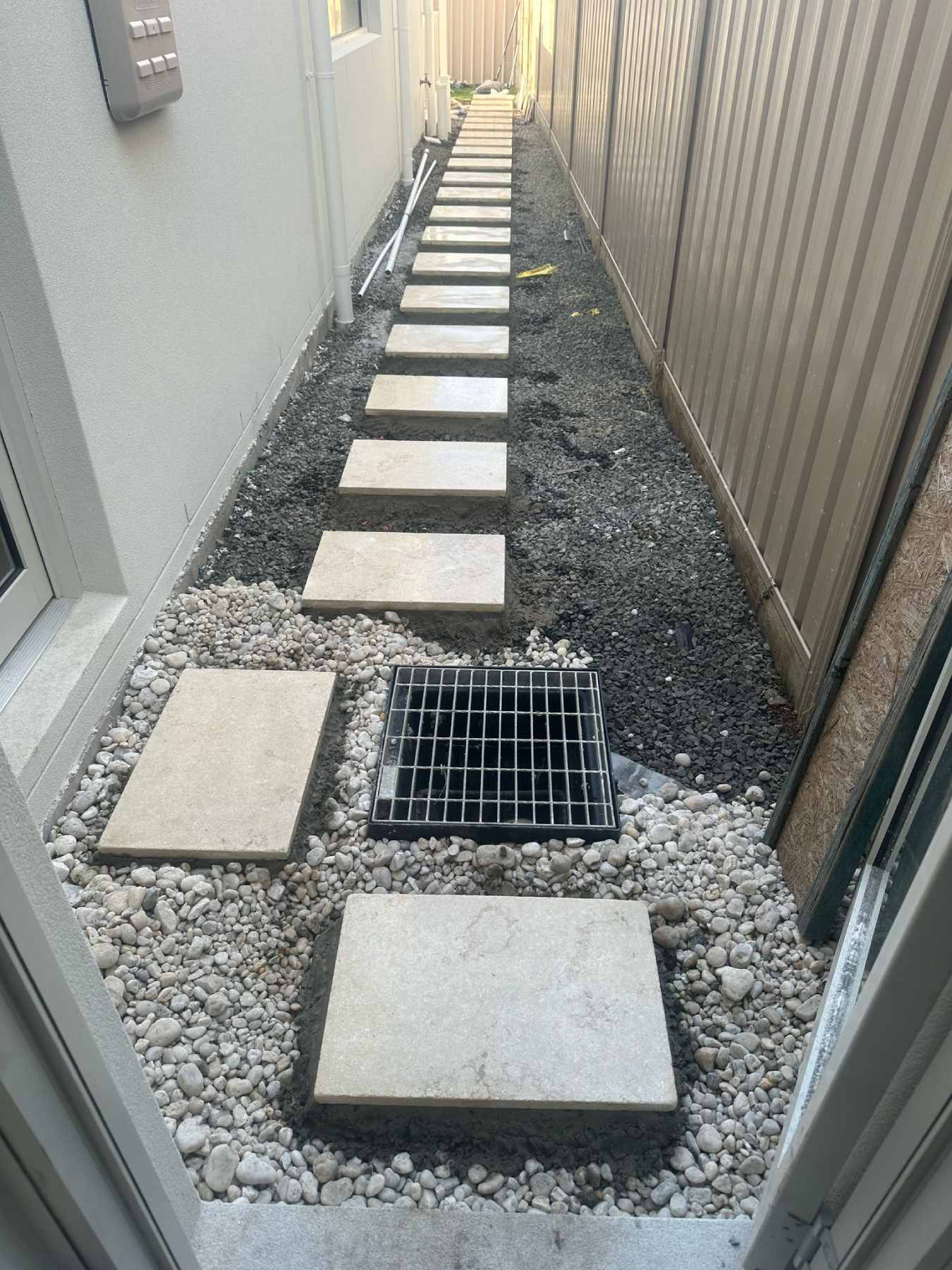
Civil Works
Civil works encompass a wide range of essential construction activities that form the backbone of infrastructure development. This category includes the construction, maintenance, and improvement of public and private infrastructure, such as roads, bridges, drainage systems, and utility networks. Civil works are fundamental to the functionality of urban environments, providing the structures necessary for daily life, economic growth, and overall societal progress.
One of the key components of civil works is road construction and repair. Roads are vital for transportation, connecting communities and facilitating trade. The process involves the grading, paving, and maintenance of roads to ensure they are safe and durable. Civil works also include the construction of highways, street networks, and pathways that support vehicular and pedestrian traffic. Proper planning and execution are crucial to prevent future issues like potholes, erosion, and flooding.
Bridge construction is another critical element of civil works, especially in areas that require the crossing of rivers, valleys, or other natural obstacles. Building a bridge requires careful consideration of structural integrity, load-bearing capacity, and environmental factors. Engineers and construction teams work together to design and build bridges that are safe, long-lasting, and capable of withstanding heavy traffic loads and challenging weather conditions.
Drainage systems are an essential part of civil works, particularly for preventing flooding and ensuring proper water management. Drainage includes the installation of stormwater drains, culverts, and sewer systems that channel water away from roads, buildings, and other structures. Proper drainage systems help reduce water damage, maintain structural integrity, and protect the surrounding environment from erosion.
In land development, civil works are responsible for site preparation, including clearing land, leveling, and grading. These tasks ensure that the land is ready for construction, whether for residential, commercial, or industrial development. Site preparation also includes ensuring that the land is properly sloped to allow for adequate drainage, preventing water accumulation and flooding in the future.
Utility installation is an essential aspect of civil works, involving the construction of infrastructure for services such as water, electricity, gas, and telecommunications. Utility systems are the backbone of modern society, and civil works ensure these systems are properly designed, installed, and maintained. Trenches are dug, pipes and cables are laid, and the infrastructure is connected to the main supply networks, all of which require skilled workers and precise execution.
Retaining walls and embankments are another common component of civil works, particularly in areas with uneven terrain or where soil erosion is a concern. Retaining walls are built to support the earth and prevent landslides, providing stability to sloped land. These structures are used in both residential and commercial projects, as well as in public infrastructure developments, to protect the environment and ensure the safety of surrounding areas.
Finally, environmental considerations play an important role in civil works. Sustainable practices, such as the use of eco-friendly materials and energy-efficient systems, are becoming more common in construction projects. Additionally, civil works often require the careful consideration of local ecosystems, including wildlife habitats, water quality, and soil conditions. Engineers and construction teams must balance the need for development with the preservation of natural resources, ensuring that the impact of construction is minimized.
Overall, civil works provide the essential infrastructure that supports daily life and economic activity. Whether it's building new roads, bridges, or utility systems, civil works are integral to shaping the modern world and improving the quality of life for communities.
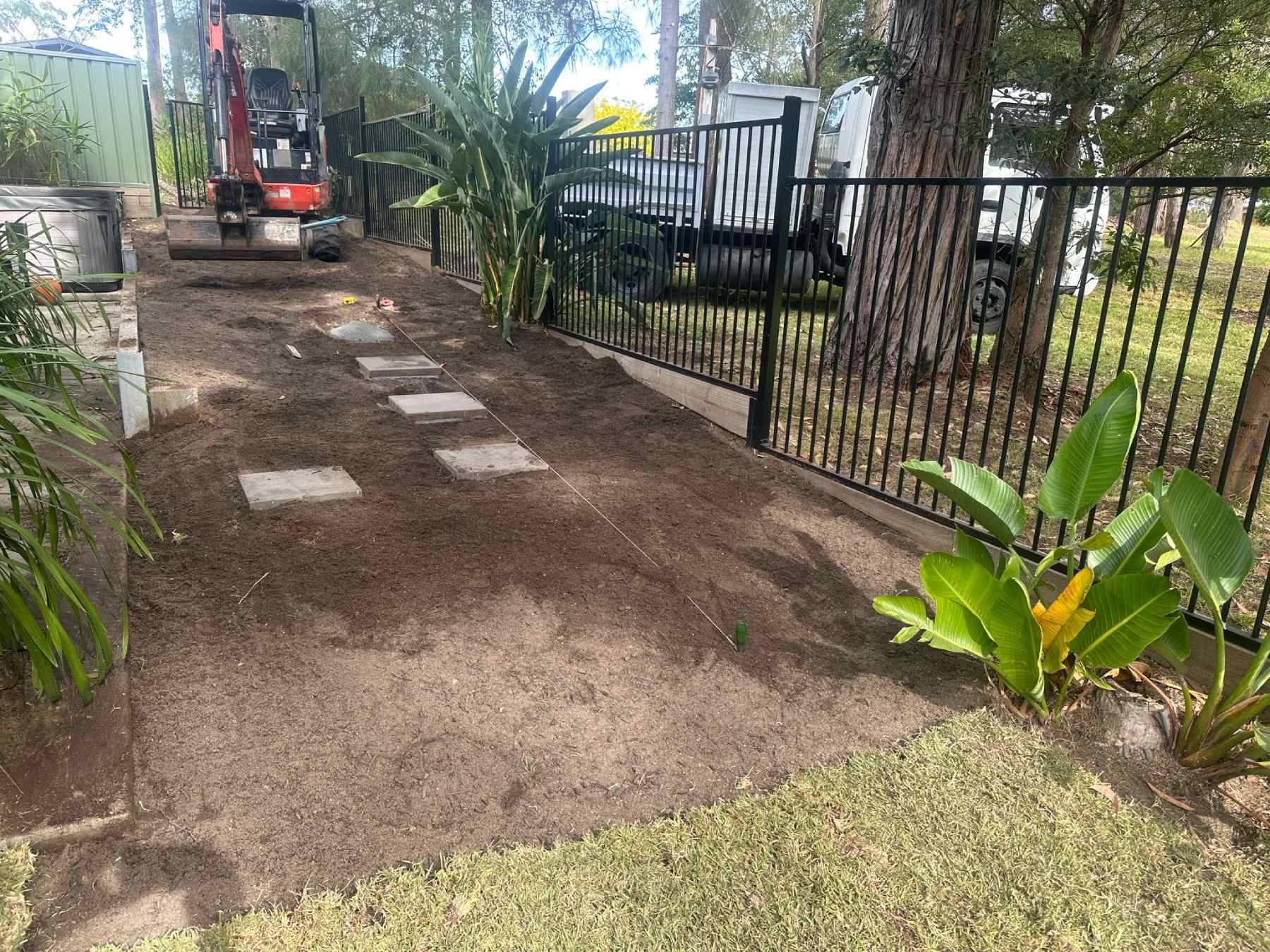
Landscape Constructions
Landscape construction involves the planning, designing, and building of outdoor spaces to enhance both the aesthetic appeal and functionality of a property. This type of construction combines the art of landscaping with the practical aspects of construction to create harmonious and sustainable outdoor environments. Whether for residential, commercial, or public spaces, landscape construction transforms a bare or underdeveloped plot of land into a beautiful and usable area.
One of the key elements of landscape construction is site preparation. Before any landscaping work begins, the area must be properly prepared. This includes clearing debris, removing unwanted vegetation, and leveling or grading the land to ensure proper drainage. Site preparation ensures that the ground is ready for the installation of features like lawns, gardens, and pathways, and that there are no obstacles that could hinder construction.
Hardscaping is an essential part of landscape construction, referring to the installation of non-plant elements such as patios, pathways, retaining walls, fences, and decks. These durable features add structure and definition to a landscape, providing functional spaces for outdoor activities while enhancing the overall design. Materials used in hardscaping can include stone, brick, concrete, wood, and metal, each chosen for its durability and aesthetic value.
Softscaping, in contrast, involves the planting and care of vegetation such as trees, shrubs, flowers, grass, and ground covers. The selection of plants is based on the climate, soil type, and the overall design vision for the space. Softscaping contributes significantly to the beauty of the landscape, offering a natural element that contrasts with the more permanent features of hardscaping. Plant selection also focuses on sustainability, choosing species that thrive in the local environment with minimal maintenance requirements.
Water features are another prominent aspect of landscape construction. These include fountains, ponds, waterfalls, and streams, which add both visual interest and soothing sounds to an outdoor space. Water features can be customized to suit the design style of the landscape, whether it’s a formal garden with a tiered fountain or a naturalistic setting with a small pond and waterfall. Proper planning and construction are essential to ensure that water features are functional and properly maintained.
Lighting is an important aspect of landscape construction, particularly for creating ambiance and extending the usability of outdoor spaces after dark. Outdoor lighting can highlight architectural features, illuminate walkways, and enhance the beauty of plants and trees. From elegant garden lights to security lighting, strategically placed fixtures can improve both the functionality and safety of a landscape while contributing to its nighttime aesthetic.
Irrigation systems are often integrated into landscape construction to ensure the health and vitality of plants, especially in larger or more complex gardens. These systems can be designed for efficiency, reducing water waste while keeping plants adequately hydrated. Drip irrigation, sprinklers, and rainwater harvesting systems are commonly used to ensure that landscapes thrive even during dry spells.
Finally, sustainable practices have become an essential consideration in landscape construction. Many landscape designs now incorporate eco-friendly elements such as native plants, drought-tolerant species, permeable paving, and rain gardens to minimize water usage and reduce environmental impact. Sustainable landscaping not only conserves resources but also contributes to biodiversity, creating spaces that are beneficial for both people and wildlife.
Incorporating all these elements, landscape construction goes beyond just beautifying a space—it’s about creating a well-designed, functional, and sustainable outdoor environment that enhances the quality of life. Whether it’s designing tranquil backyard retreats, vibrant public parks, or functional commercial landscapes, landscape construction provides the foundation for creating outdoor spaces that can be enjoyed for years to come.
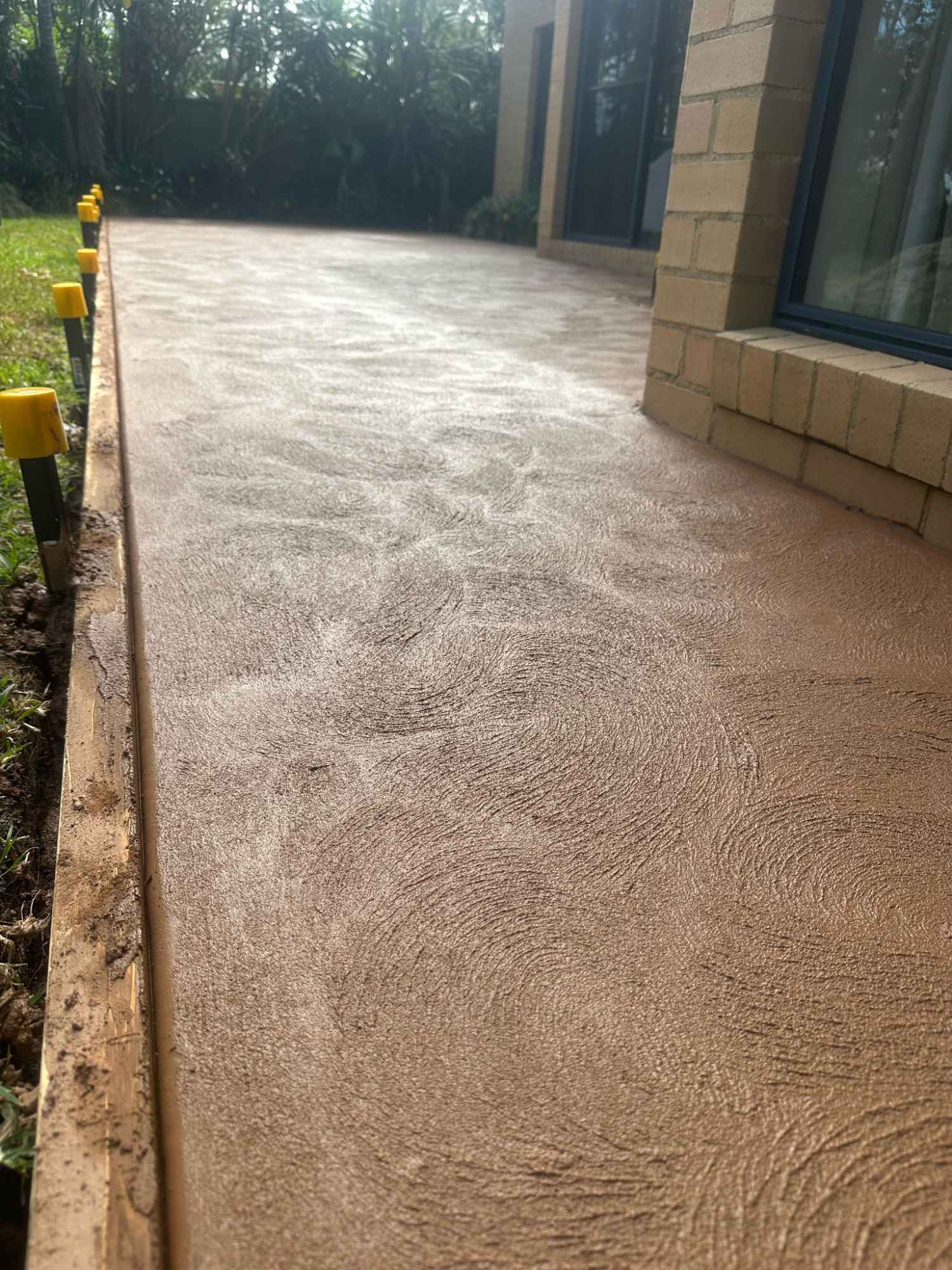
Concreting
Concreting is a fundamental part of construction, essential for creating durable and reliable surfaces for a wide range of applications. From residential driveways to large-scale commercial projects, concreting forms the backbone of modern infrastructure. The process involves mixing, pouring, and setting concrete to create strong, stable, and long-lasting surfaces that can withstand the test of time and usage.
The first step in concreting is preparation, which involves ensuring the ground or surface is properly leveled and compacted. Whether it’s for a driveway, floor slab, or foundation, the site must be cleared of debris, weeds, and any soft soil that may compromise the structural integrity of the concrete. After this, a formwork is typically created using wooden or metal frames to contain the concrete as it sets. The formwork ensures that the poured concrete holds its shape while curing and allows the finished product to meet specific dimensions.
Once the site is prepared, mixing the concrete is the next critical step. Concrete is typically made from a mixture of cement, water, sand, and aggregates such as gravel or crushed stone. The proportions of these materials must be carefully measured to achieve the desired strength and workability. For larger projects, ready-mix concrete may be delivered to the site, ensuring that the concrete has the ideal consistency for pouring.
After mixing, the concrete is poured into the prepared formwork, where it is carefully spread and leveled. Pouring and spreading the concrete evenly is vital to ensure that the surface is smooth and uniform. Special tools, such as trowels and screeds, are used to level and smooth the concrete as it begins to set. During this stage, it’s also important to check for air bubbles or voids that could weaken the final surface. For larger pours, such as foundation slabs, concrete may be poured in sections and leveled in layers to achieve a consistent result.
Once poured, the concrete must be left to cure and set properly. Curing is a critical part of the process because it allows the concrete to harden and reach its full strength. The curing process can take several days, depending on the weather and type of concrete used. During this time, the concrete should be kept moist and shielded from extreme temperatures to prevent cracking. Proper curing ensures that the concrete gains maximum strength and durability.To enhance the appearance and durability of the finished surface, finishing techniques are often applied. This can include smoothing the surface with a trowel, adding texture with a broom to create a non-slip surface, or stamping patterns for decorative effects. For exposed aggregate concrete, the top layer is washed away to reveal the stones and aggregates underneath, creating a textured and visually appealing finish. The finishing process is crucial, as it not only affects the look of the surface but also its long-term performance.
Concrete can be used in various applications, including driveways, pathways, floors, foundations, and even decorative features like patios and garden paths. One of the benefits of concrete is its versatility—whether it’s the sleek, polished surface of a modern building floor or the rugged, textured surface of an outdoor driveway, concrete can be molded into any shape or design required. Its strength makes it ideal for high-traffic areas, and its durability ensures that it lasts for years with minimal maintenance.
In addition to traditional grey concrete, modern concreting can also involve colored concrete or stamped concrete. Colored concrete is achieved by adding pigments to the mix, creating vibrant hues for decorative floors, pathways, or driveways. Stamped concrete allows for patterns and textures to be imprinted on the surface, giving the appearance of stone, brick, or tile while maintaining the strength and low maintenance of concrete.
Finally, maintenance of concrete surfaces is essential to ensure longevity. While concrete is durable, it can be subject to wear and tear over time, especially when exposed to heavy traffic or harsh weather conditions. Regular cleaning, sealing, and repair of cracks or chips can help extend the life of concrete surfaces and keep them looking new for many years. Proper maintenance also prevents damage from moisture or environmental factors, ensuring that the concrete remains safe and functional.
Overall, concreting is a vital process in construction, offering strength, durability, and versatility. Whether it’s a small-scale residential project or a large commercial development, the use of concrete ensures that structures are built to last, providing a solid foundation for the buildings and spaces we use every day.
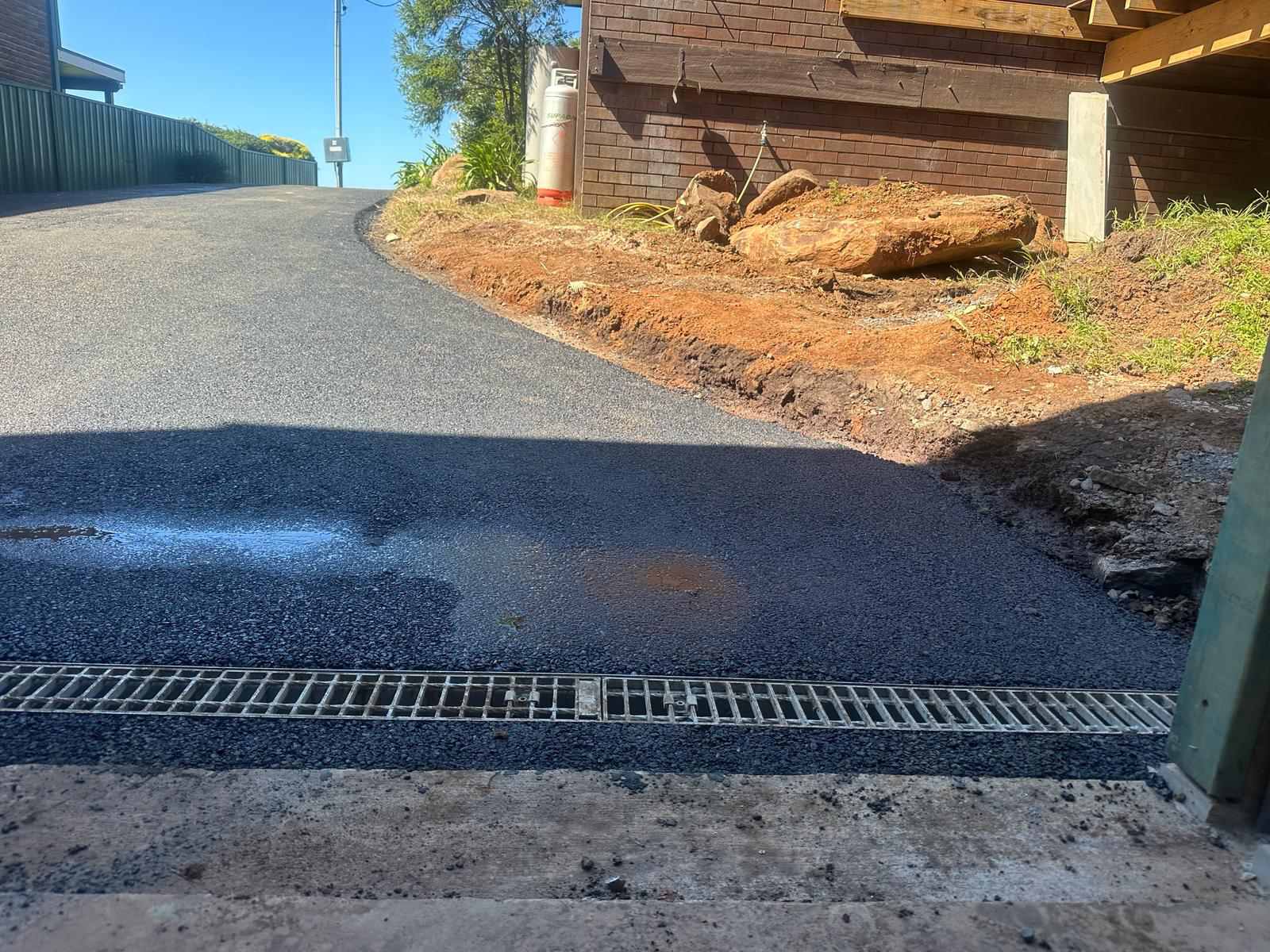
Driveways
Driveways are essential components of residential and commercial properties, offering a dedicated space for vehicles to park and access buildings. Beyond their functionality, driveways contribute significantly to the overall curb appeal and aesthetic value of a property. Whether it's a simple residential driveway or an elaborate commercial entryway, the design, material, and construction of a driveway can greatly impact the look, safety, and usability of a property.
The design and layout of a driveway are influenced by various factors such as the size of the property, the type of vehicles that will use it, and the overall style of the property. A driveway should be wide enough to accommodate the vehicles it is intended to service, with enough clearance to allow for easy maneuvering. The layout should also consider the natural contours of the land, ensuring proper drainage and minimizing the risk of water pooling or erosion. When designed properly, a driveway not only serves its functional purpose but also complements the surrounding landscape and architecture.
Materials play a key role in the construction of driveways, with various options available to suit different needs, budgets, and aesthetic preferences. Concrete is one of the most popular materials due to its durability and versatility. It can be poured as a solid slab or finished in different textures, including stamped, stained, or exposed aggregate. Asphalt is another common choice, offering a smooth surface at a lower cost, though it may require more maintenance over time. Gravel driveways are often chosen for their rustic appeal and affordability, but they may require periodic replenishing and leveling. Other materials, such as brick, pavers, or stone, can also be used to create more decorative driveways that enhance the property's appearance.
Proper site preparation is crucial for the longevity and functionality of a driveway. The ground must be leveled and compacted to provide a solid foundation for the materials used in the driveway. If the soil is unstable or soft, additional steps like sub-base preparation may be needed to prevent cracking or shifting over time. Drainage is another critical consideration, as water can cause significant damage to driveways if not properly directed. Installing appropriate drainage systems, such as gutters, French drains, or a slight slope, ensures that rainwater flows away from the driveway and doesn't pool or erode the surface.Once the site is prepared, the installation process begins. Concrete driveways typically involve pouring the mixture into prepared formwork, followed by finishing the surface to the desired texture and smoothness. For asphalt, the surface is heated, applied, and then compacted to form a smooth, durable finish. Gravel driveways require the spreading of different layers of stone, with larger gravel placed at the base and finer gravel on top. When using pavers or bricks, individual units are carefully laid in a pattern, with gaps filled with sand to lock the pieces in place. Each material requires its own specific installation method to ensure the driveway is level, stable, and durable.
One of the main benefits of a well-constructed driveway is its durability and long-term performance. A properly built driveway can last for decades with minimal maintenance, providing a safe and convenient place for vehicles to park or enter the property. Concrete and asphalt driveways are particularly durable, capable of withstanding the weight of vehicles and the effects of weather without significant wear. While gravel driveways may need periodic replenishing, they are still a durable choice for many properties, especially when well-maintained.
To enhance the aesthetic appeal of a driveway, many homeowners opt for decorative features such as custom patterns, textures, and colors. Stamped or stained concrete, for example, can mimic the look of natural stone or brick, adding elegance to a driveway without the high cost of those materials. Exposed aggregate driveways create a unique, textured surface by removing the top layer of concrete to reveal the embedded stones, creating a visually appealing finish. For those seeking a more rustic or natural look, gravel or brick driveways offer an array of design options that can complement the surrounding landscaping.
Maintenance is essential for keeping a driveway in good condition. While concrete and asphalt driveways are low-maintenance, they may still require occasional sealing to prevent cracks, stains, or fading from UV exposure. Gravel driveways, on the other hand, need regular replenishing of the gravel and periodic re-leveling to maintain an even surface. Additionally, cleaning debris and ensuring proper drainage will help extend the life of the driveway and preserve its functionality.
Finally, sustainability has become an important consideration in driveway construction. Permeable paving options, such as permeable concrete or interlocking pavers, allow water to flow through the surface rather than run off, reducing the risk of flooding and promoting groundwater recharge. This eco-friendly approach helps manage stormwater while offering the same durability and functionality as traditional materials.
In conclusion, driveways are not only practical elements of a property but also important design features that contribute to its overall appeal. The material choice, design, installation, and maintenance all play a role in ensuring that a driveway is both functional and aesthetically pleasing, enhancing the value and usability of the property for years to come.
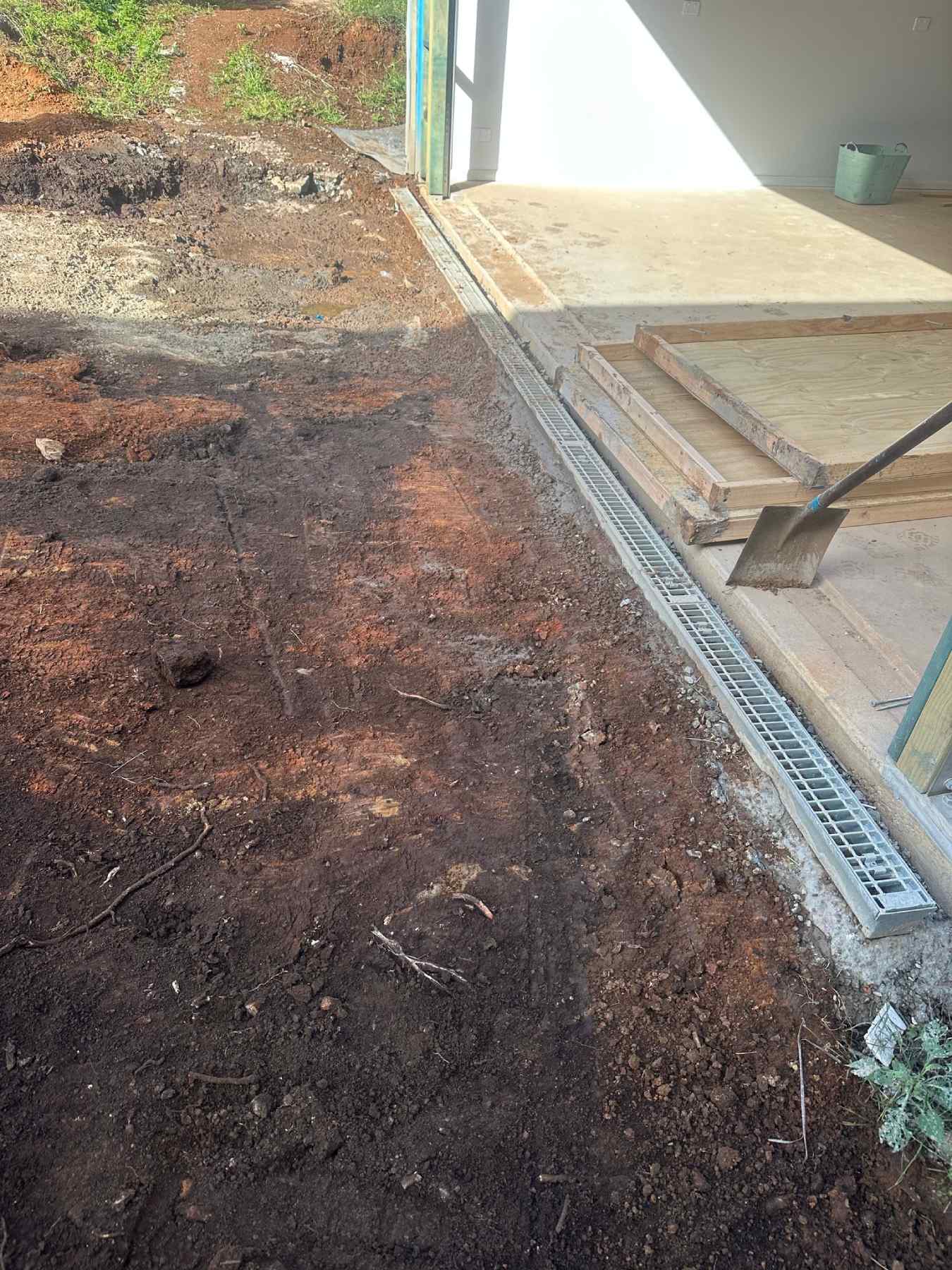
Retaining Walls
Retaining walls are vital structures used to hold back soil and prevent erosion, providing stability and support for both residential and commercial landscapes. These walls are designed to resist the lateral pressure of the soil they are holding back, making them an essential part of landscaping and construction projects where there are significant changes in elevation. Whether used for terracing, slope stabilization, or creating usable space in hilly areas, retaining walls serve both functional and aesthetic purposes.
The primary function of a retaining wall is to prevent soil erosion, especially in areas with steep slopes or where water runoff could wash away soil. Without proper support, the soil on a slope can become unstable and erode over time, leading to property damage, loss of plant life, or hazardous conditions. A well-constructed retaining wall helps hold the soil in place, providing support to prevent displacement. This function is especially crucial in areas prone to heavy rainfall or in locations with loose, sandy, or clay-rich soil that may not naturally hold its shape.
Retaining walls also allow for leveling and terracing of land, creating flat, usable spaces on otherwise sloped terrain. This is particularly useful for landscaping, gardening, or adding functional spaces like patios, pathways, or gardens. By breaking up large, sloping areas into manageable levels, retaining walls make it possible to create different zones for outdoor living or gardening, increasing the usability and value of a property. They can also enhance the appearance of the landscape, adding an element of design that complements the natural surroundings.
There are several types of materials used to build retaining walls, each offering different advantages in terms of durability, appearance, and ease of construction. Concrete retaining walls are a popular choice due to their strength and versatility. They can be poured in place to create custom shapes and sizes, or pre-cast concrete blocks can be used for a quicker and more cost-effective solution. Stone and brick walls offer a natural and aesthetic look, blending well with many landscape styles. For a more contemporary feel, timber retaining walls can be used, though they may not be as durable as stone or concrete. Other options, such as gabion walls (made from wire cages filled with rocks) or block walls, provide unique textures and are effective in stabilizing soil.
The design of a retaining wall is a critical factor in its effectiveness and longevity. It’s important that the wall is properly engineered to handle the pressure of the soil it is holding back. This may include incorporating drainage solutions, such as weep holes or drainage pipes, to prevent water buildup behind the wall. Without proper drainage, the water pressure behind the wall could cause it to fail or crack. The height, angle, and materials used for construction all need to be carefully considered based on the specific needs of the project and the local climate conditions.
Installation of a retaining wall typically involves excavation to create a stable base, followed by the careful placement of materials in layers. The base must be compacted to provide a strong foundation for the wall. If necessary, geogrid reinforcement may be used to further stabilize the structure and prevent shifting. The materials are then placed in a way that evenly distributes the pressure from the soil, allowing the wall to function as intended for years. The complexity of the installation can vary depending on the type of material used and the wall’s height and purpose.
In addition to their practical uses, retaining walls can also add a decorative element to the landscape. Landscaping features such as plants, flowers, or climbing vines can be incorporated into the design, softening the appearance of the wall and blending it seamlessly with the surrounding garden. Stone or brick retaining walls can be designed in various patterns or textures to create a more visually appealing look. Some retaining walls also double as seating or ledges, creating multi-functional outdoor spaces that add both beauty and utility.
Maintenance of retaining walls is important to ensure their continued performance and longevity. Over time, the materials may experience wear due to exposure to the elements, especially if drainage has not been properly managed. Regular inspection of the wall’s condition is essential to catch early signs of damage such as cracks, bulging, or water accumulation behind the wall. Maintaining proper drainage and ensuring the wall remains structurally sound will prevent costly repairs and ensure the retaining wall continues to serve its intended purpose.
Finally, sustainable practices are being increasingly incorporated into retaining wall construction. This includes using eco-friendly materials such as reclaimed stone or recycled concrete and ensuring that the wall design allows for proper water flow and promotes natural vegetation growth. Eco-friendly retaining walls can contribute to soil health, prevent erosion, and provide a safe habitat for local wildlife.
In conclusion, retaining walls are crucial for maintaining the stability and usability of sloped areas, providing both functional and aesthetic benefits. Whether supporting the landscape or adding design features to outdoor spaces, retaining walls are an investment in the long-term health and appeal of a property. Proper planning, design, and construction are essential to ensure that retaining walls function as intended, creating beautiful, sustainable, and safe environments.