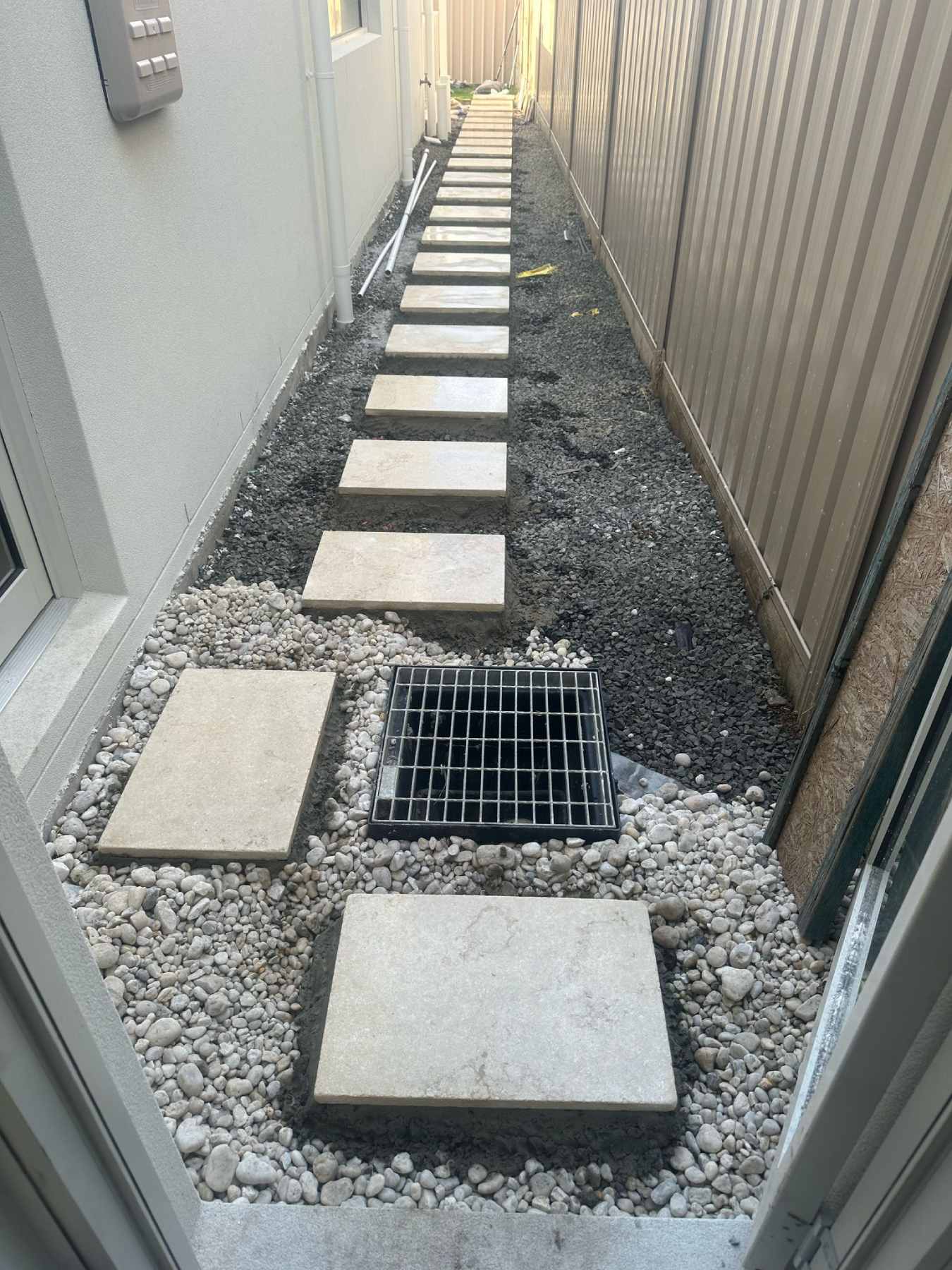
After mixing, the concrete is poured into the prepared formwork, where it is carefully spread and leveled. Pouring and spreading the concrete evenly is vital to ensure that the surface is smooth and uniform. Special tools, such as trowels and screeds, are used to level and smooth the concrete as it begins to set. During this stage, it’s also important to check for air bubbles or voids that could weaken the final surface. For larger pours, such as foundation slabs, concrete may be poured in sections and leveled in layers to achieve a consistent result.
Once poured, the concrete must be left to cure and set properly. Curing is a critical part of the process because it allows the concrete to harden and reach its full strength. The curing process can take several days, depending on the weather and type of concrete used. During this time, the concrete should be kept moist and shielded from extreme temperatures to prevent cracking. Proper curing ensures that the concrete gains maximum strength and durability.To enhance the appearance and durability of the finished surface, finishing techniques are often applied. This can include smoothing the surface with a trowel, adding texture with a broom to create a non-slip surface, or stamping patterns for decorative effects. For exposed aggregate concrete, the top layer is washed away to reveal the stones and aggregates underneath, creating a textured and visually appealing finish. The finishing process is crucial, as it not only affects the look of the surface but also its long-term performance.
Concrete can be used in various applications, including driveways, pathways, floors, foundations, and even decorative features like patios and garden paths. One of the benefits of concrete is its versatility—whether it’s the sleek, polished surface of a modern building floor or the rugged, textured surface of an outdoor driveway, concrete can be molded into any shape or design required. Its strength makes it ideal for high-traffic areas, and its durability ensures that it lasts for years with minimal maintenance.
In addition to traditional grey concrete, modern concreting can also involve colored concrete or stamped concrete. Colored concrete is achieved by adding pigments to the mix, creating vibrant hues for decorative floors, pathways, or driveways. Stamped concrete allows for patterns and textures to be imprinted on the surface, giving the appearance of stone, brick, or tile while maintaining the strength and low maintenance of concrete.
Finally, maintenance of concrete surfaces is essential to ensure longevity. While concrete is durable, it can be subject to wear and tear over time, especially when exposed to heavy traffic or harsh weather conditions. Regular cleaning, sealing, and repair of cracks or chips can help extend the life of concrete surfaces and keep them looking new for many years. Proper maintenance also prevents damage from moisture or environmental factors, ensuring that the concrete remains safe and functional.
Overall, concreting is a vital process in construction, offering strength, durability, and versatility. Whether it’s a small-scale residential project or a large commercial development, the use of concrete ensures that structures are built to last, providing a solid foundation for the buildings and spaces we use every day.
Service 5 Images