Excavation

Excavation is a crucial aspect of construction, involving the process of digging, moving, or removing earth to prepare a site for development. This work forms the foundation for many types of projects, including residential homes, commercial buildings, and infrastructure. Excavation creates the space required for foundations, utilities, and other essential elements, and is often the first step before construction can proceed.

The process begins with a thorough site analysis to determine the scope of excavation needed. Factors such as the type of soil, the level of compaction, and any potential obstacles like underground utilities must be taken into account. Depending on the project's requirements, excavation can range from simple trenching for utilities to large-scale earthmoving for building foundations.

Excavation requires specialized equipment such as bulldozers, backhoes, excavators, and skid steer loaders. These machines are designed to handle various types of terrain and materials, from soft soil to rocky ground. Each piece of equipment serves a specific purpose, ensuring that the excavation process is carried out efficiently and safely, without damaging surrounding areas.
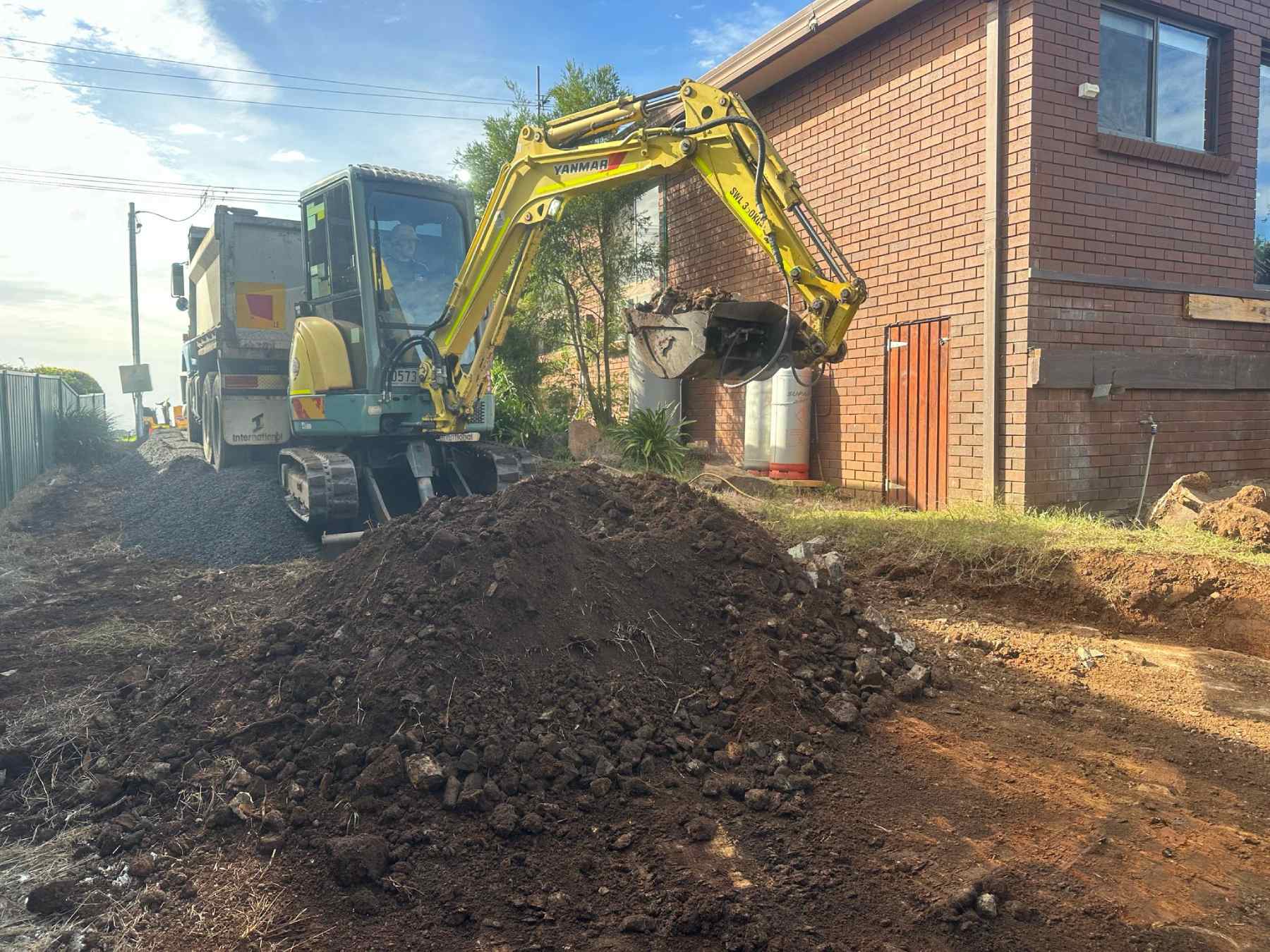
Site preparation is another vital component of excavation. Before the digging begins, the site must be cleared of debris, trees, or any structures that could impede progress. Surveyors then mark the excavation boundaries, ensuring the excavation follows the correct path and reaches the desired depth. This stage also involves ensuring proper drainage to avoid flooding during or after excavation.

One of the main purposes of excavation is to dig foundations. A strong foundation is the key to any structure's stability, and the process involves removing soil or rock to a specified depth, depending on the type of building or structure being built. The excavation ensures the foundation can be properly reinforced, reducing the risk of settling or structural failure in the future.

In addition to foundations, excavation is also critical for trenching and installing utilities such as water, gas, and electrical lines. Trenching involves digging narrow channels to lay pipes and cables. Proper trenching is essential to prevent damage to these utilities and ensure they are installed securely and in compliance with regulations.

Landscaping and site grading also rely heavily on excavation. When building outdoor features like drainage systems, pathways, or retaining walls, excavation is used to level the ground or create slopes to direct water flow. These tasks help ensure that the final landscape is both functional and aesthetically pleasing, while preventing soil erosion and water accumulation.

Safety is paramount during excavation work. It is essential to assess the site for hazards such as unstable ground, nearby structures, or utility lines that could be damaged. Excavation projects require proper risk assessments, safety barriers, and often require permits, especially in urban or densely populated areas. Ensuring the safety of workers, the site, and the surrounding environment is critical for a successful and trouble-free excavation process.