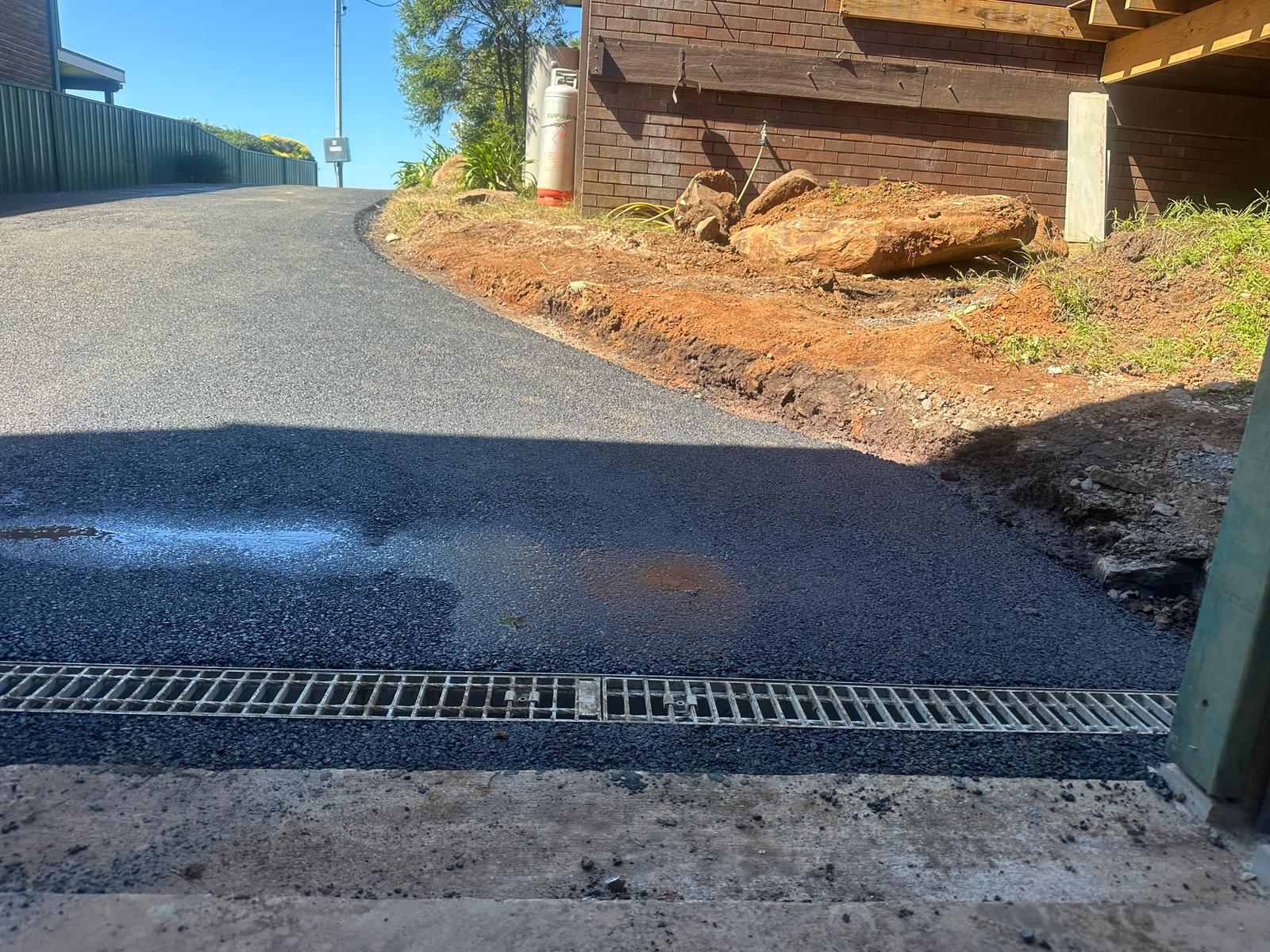
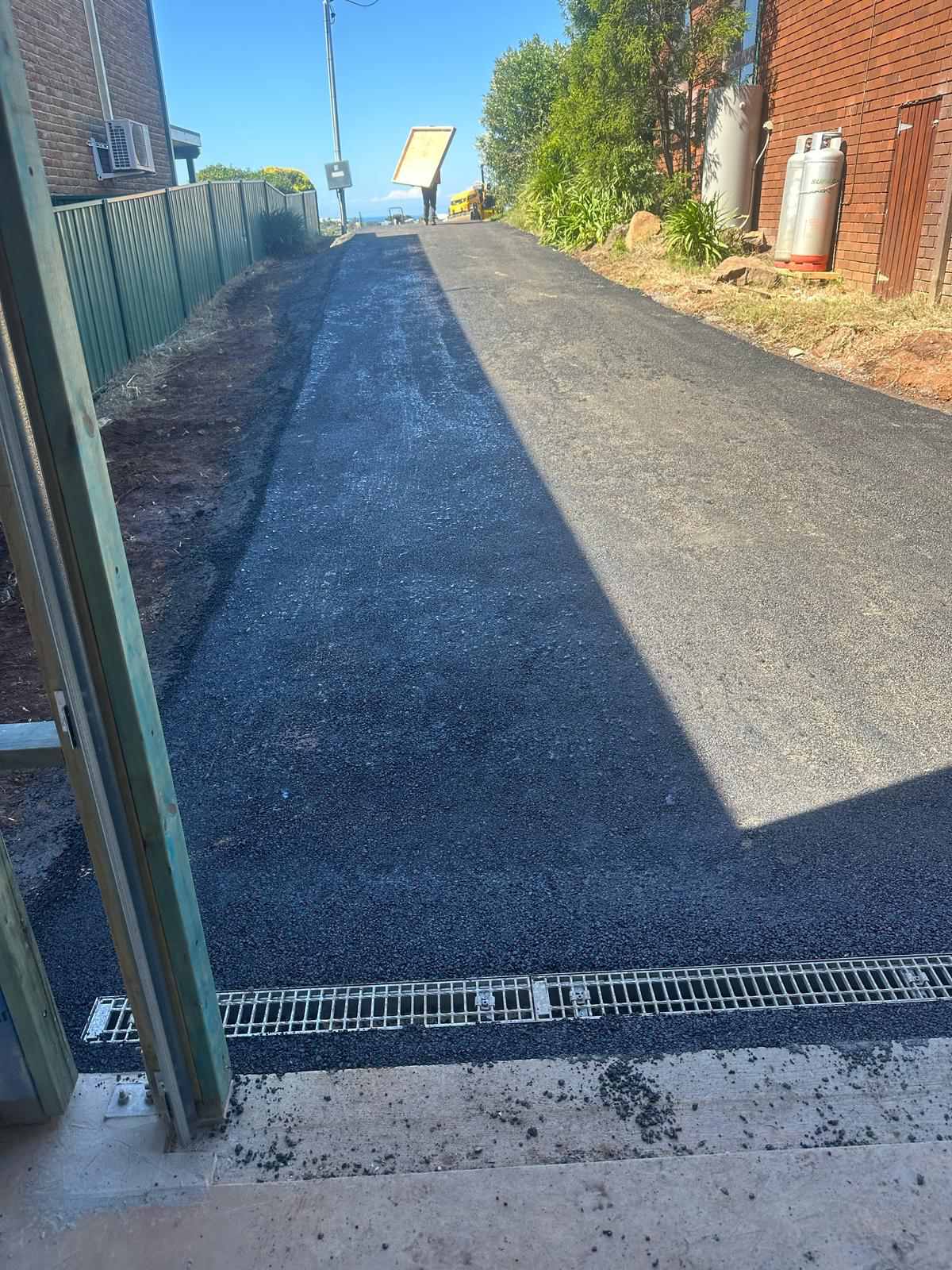
Proper site preparation is crucial for the longevity and functionality of a driveway. The ground must be leveled and compacted to provide a solid foundation for the materials used in the driveway. If the soil is unstable or soft, additional steps like sub-base preparation may be needed to prevent cracking or shifting over time. Drainage is another critical consideration, as water can cause significant damage to driveways if not properly directed. Installing appropriate drainage systems, such as gutters, French drains, or a slight slope, ensures that rainwater flows away from the driveway and doesn't pool or erode the surface.Once the site is prepared, the installation process begins. Concrete driveways typically involve pouring the mixture into prepared formwork, followed by finishing the surface to the desired texture and smoothness. For asphalt, the surface is heated, applied, and then compacted to form a smooth, durable finish. Gravel driveways require the spreading of different layers of stone, with larger gravel placed at the base and finer gravel on top. When using pavers or bricks, individual units are carefully laid in a pattern, with gaps filled with sand to lock the pieces in place. Each material requires its own specific installation method to ensure the driveway is level, stable, and durable.
One of the main benefits of a well-constructed driveway is its durability and long-term performance. A properly built driveway can last for decades with minimal maintenance, providing a safe and convenient place for vehicles to park or enter the property. Concrete and asphalt driveways are particularly durable, capable of withstanding the weight of vehicles and the effects of weather without significant wear. While gravel driveways may need periodic replenishing, they are still a durable choice for many properties, especially when well-maintained.
To enhance the aesthetic appeal of a driveway, many homeowners opt for decorative features such as custom patterns, textures, and colors. Stamped or stained concrete, for example, can mimic the look of natural stone or brick, adding elegance to a driveway without the high cost of those materials. Exposed aggregate driveways create a unique, textured surface by removing the top layer of concrete to reveal the embedded stones, creating a visually appealing finish. For those seeking a more rustic or natural look, gravel or brick driveways offer an array of design options that can complement the surrounding landscaping.
Maintenance is essential for keeping a driveway in good condition. While concrete and asphalt driveways are low-maintenance, they may still require occasional sealing to prevent cracks, stains, or fading from UV exposure. Gravel driveways, on the other hand, need regular replenishing of the gravel and periodic re-leveling to maintain an even surface. Additionally, cleaning debris and ensuring proper drainage will help extend the life of the driveway and preserve its functionality.
Finally, sustainability has become an important consideration in driveway construction. Permeable paving options, such as permeable concrete or interlocking pavers, allow water to flow through the surface rather than run off, reducing the risk of flooding and promoting groundwater recharge. This eco-friendly approach helps manage stormwater while offering the same durability and functionality as traditional materials.
In conclusion, driveways are not only practical elements of a property but also important design features that contribute to its overall appeal. The material choice, design, installation, and maintenance all play a role in ensuring that a driveway is both functional and aesthetically pleasing, enhancing the value and usability of the property for years to come.