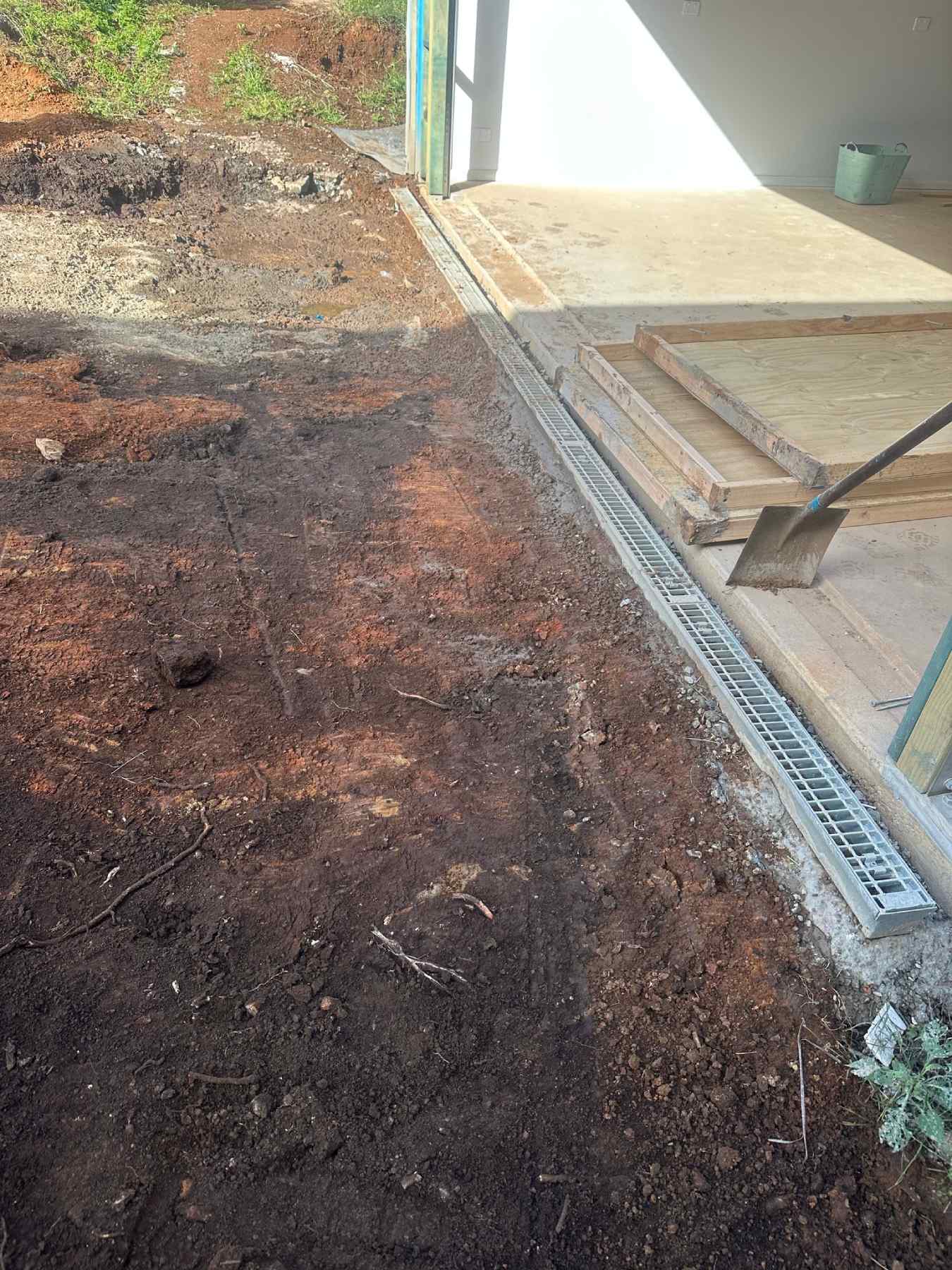
There are several types of materials used to build retaining walls, each offering different advantages in terms of durability, appearance, and ease of construction. Concrete retaining walls are a popular choice due to their strength and versatility. They can be poured in place to create custom shapes and sizes, or pre-cast concrete blocks can be used for a quicker and more cost-effective solution. Stone and brick walls offer a natural and aesthetic look, blending well with many landscape styles. For a more contemporary feel, timber retaining walls can be used, though they may not be as durable as stone or concrete. Other options, such as gabion walls (made from wire cages filled with rocks) or block walls, provide unique textures and are effective in stabilizing soil.
The design of a retaining wall is a critical factor in its effectiveness and longevity. It’s important that the wall is properly engineered to handle the pressure of the soil it is holding back. This may include incorporating drainage solutions, such as weep holes or drainage pipes, to prevent water buildup behind the wall. Without proper drainage, the water pressure behind the wall could cause it to fail or crack. The height, angle, and materials used for construction all need to be carefully considered based on the specific needs of the project and the local climate conditions.
Installation of a retaining wall typically involves excavation to create a stable base, followed by the careful placement of materials in layers. The base must be compacted to provide a strong foundation for the wall. If necessary, geogrid reinforcement may be used to further stabilize the structure and prevent shifting. The materials are then placed in a way that evenly distributes the pressure from the soil, allowing the wall to function as intended for years. The complexity of the installation can vary depending on the type of material used and the wall’s height and purpose.
In addition to their practical uses, retaining walls can also add a decorative element to the landscape. Landscaping features such as plants, flowers, or climbing vines can be incorporated into the design, softening the appearance of the wall and blending it seamlessly with the surrounding garden. Stone or brick retaining walls can be designed in various patterns or textures to create a more visually appealing look. Some retaining walls also double as seating or ledges, creating multi-functional outdoor spaces that add both beauty and utility.
Maintenance of retaining walls is important to ensure their continued performance and longevity. Over time, the materials may experience wear due to exposure to the elements, especially if drainage has not been properly managed. Regular inspection of the wall’s condition is essential to catch early signs of damage such as cracks, bulging, or water accumulation behind the wall. Maintaining proper drainage and ensuring the wall remains structurally sound will prevent costly repairs and ensure the retaining wall continues to serve its intended purpose.
Finally, sustainable practices are being increasingly incorporated into retaining wall construction. This includes using eco-friendly materials such as reclaimed stone or recycled concrete and ensuring that the wall design allows for proper water flow and promotes natural vegetation growth. Eco-friendly retaining walls can contribute to soil health, prevent erosion, and provide a safe habitat for local wildlife.
In conclusion, retaining walls are crucial for maintaining the stability and usability of sloped areas, providing both functional and aesthetic benefits. Whether supporting the landscape or adding design features to outdoor spaces, retaining walls are an investment in the long-term health and appeal of a property. Proper planning, design, and construction are essential to ensure that retaining walls function as intended, creating beautiful, sustainable, and safe environments.